A working air conditioner is the kind of equipment people only notice when it stops. In Canton, MA, where humid July days can push indoor temperatures and patience to their limits, the difference between comfort and crisis is often a matter of routine care. Regular AC servicing from a local pro like Green Energy AC Heating & Plumbing Repair does more than prevent breakdowns. It preserves efficiency, extends equipment life, controls costs, and keeps indoor air healthier. This article explains how consistent maintenance produces tangible benefits, what a thorough service visit actually entails, and when replacement or a more intensive intervention is the wiser choice.
Why regular servicing pays off
Think of an air conditioner like a car engine that sits in a garage all winter, then sees heavy use for months. Dust builds up, lubricants dry, belts and capacitors age. Small drops in efficiency multiply across hundreds of hours of operation. A system that loses five to 10 percent efficiency due to dirty coils or a miscalibrated thermostat can increase cooling bills by the same margin. For a typical Canton household, that might mean an extra $100 to $300 over a season, depending on home size and electricity rates.
Beyond dollars, maintenance reduces the risk of midseason failure. Emergency AC repair calls in August are pricier and often require same-day labor, overtime charges, and temporary discomfort. Routine seasonal checks let technicians identify weak capacitors, failing motors, refrigerant leaks, or clogged drains before they escalate. When Green Energy AC Heating & Plumbing Repair performs scheduled maintenance, technicians replace worn filters, measure pressure and superheat, check electrical connections for corrosion and heating, and inspect condensate lines. Small parts replaced proactively often save four or five times their cost compared with emergency part-and-labor replacements after a breakdown.
What a responsible service visit looks like
A lot of homeowners assume "service" means a quick visual pass and a filter change. Good companies deliver a methodical checklist, documented findings, and actionable recommendations. A comprehensive service visit usually includes these elements, which homeowners should expect and ask for.
- Visual and operational inspection of the outdoor condensing unit and indoor evaporator coil Measurement of refrigerant pressures and temperatures to detect under- or overcharge Electrical inspection including contactors, capacitors, relays, and wiring Cleaning of coils and condensate drain, plus airflow measurement and filter replacement Safety checks and performance verification, with thermostat calibration if needed
Those steps are not academic. For example, a technician can detect a 15 percent low refrigerant charge by comparing measured head and suction pressures to manufacturer specifications, then trace the cause to a slow leak at a brazed connection. Fixing the leak and restoring charge reduces compressor stress, avoids oil foaming that accelerates wear, and restores capacity. If you replaced the compressor instead of fixing the leak, costs would rise dramatically.
Anecdote from the field
A few summers ago a customer called in mid-July after their upstairs bedrooms failed to cool adequately. They had a newer condenser but the air handler was 12 years old. On arrival, the Green Energy technician found the evaporator coil heavily caked with dust, an airflow restriction of nearly 40 percent, and a drip pan clogged so condensate backed up into the attic insulation. The immediate fix included a thorough coil cleaning, clearing the drain, replacing a deteriorated air filter, and balancing the ductwork supply registers. The homeowner reported a 40 percent reduction in runtime and a measurable drop in indoor humidity by the next day. Had the coil remained clogged, the next step would likely have been a premature compressor failure or costly attic water damage.
Common maintenance items that prevent larger problems
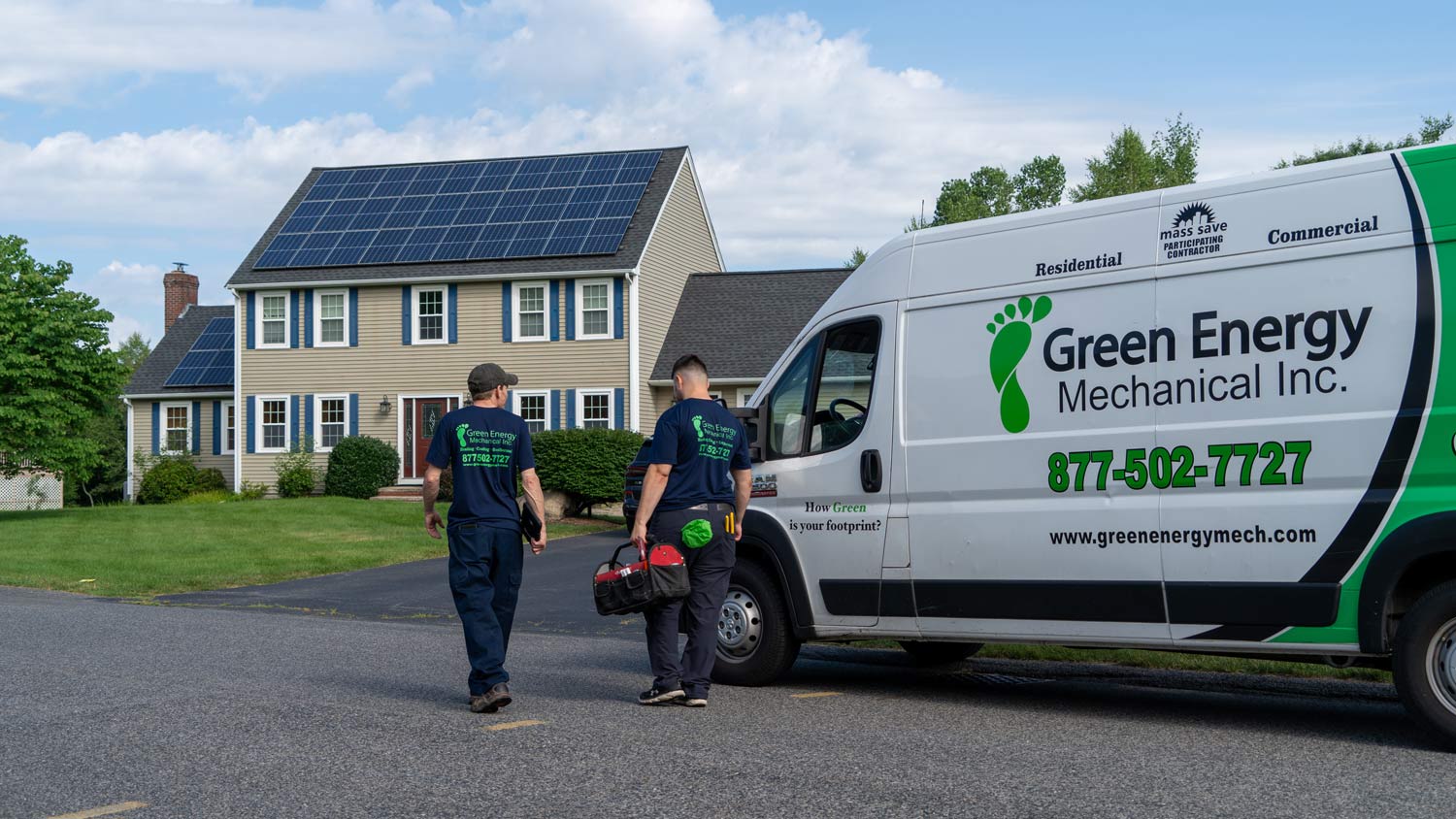
Routine service addresses several failure modes that are hard to spot until they cause damage. Four persistent examples stand out in Canton homes.
Dirty coils. Outdoor coils accumulate dirt, pollen, and lawn spray. Indoor coils collect dust and fibers. Reduced heat transfer increases run time and operating temperature. When condensate cannot drain because of slime or debris, water backs up and creates odors or structural damage.
Electrical stress. Loose or corroded connections heat under load and accelerate contactor and relay failure. A failing run capacitor causes motors to labor and spreadsheets of small failures accumulate until a hard failure occurs.

Refrigerant leaks. Refrigerant does not wear out. Loss indicates a leak. Low charge forces the compressor to work in a high-voltage, low-pressure state that dramatically reduces lifespan.
Airflow imbalance. Closed or blocked returns, leaky ducts, or undersized filters can cause frozen evaporator coils and uneven cooling, making parts cycle more and weakening system defenses.
Each of these items can be identified and mitigated in a service visit. That lowers the probability of emergency HVAC repair and keeps performance predictable.
When maintenance should escalate to repair or replacement
There comes a point when servicing and patch repairs yield diminishing returns. Age, frequency of failures, repair costs relative to replacement, and efficiency loss form the calculus. A practical rule: if the annual repair cost approaches 10 to 20 percent of a new system price, replacement deserves serious consideration. For a typical central AC in Canton, a mid-range full replacement might run in the $4,000 to $8,000 range depending on home configuration, efficiency target, and whether ductwork needs modification. If annual repairs exceed several hundred dollars and the system is over 12 to 15 years old, replacement often reduces lifetime cost and improves comfort.
Efficiency improvements from a modern high-efficiency unit can return savings, but trade-offs exist. Upgrading to a high seasonal energy efficiency ratio unit requires an upfront capital outlay, possible duct sealing or right-sizing, and careful selection of a properly matched indoor coil and outdoor unit. An experienced HVAC contractor will present measured performance numbers, estimated payback based on local electricity rates, and non-energy benefits such as quieter operation and better humidity control.
How Green Energy AC Heating & Plumbing Repair approaches Canton homes
Green Energy AC Heating & Plumbing Repair brings local experience to Canton neighborhoods. Working in this climate requires attention to both heat and moisture. Technicians begin with a homeowner conversation to understand comfort complaints and observed behavior, then run diagnostics rather than guesswork. They document static pressure, airflow, temperature splits, and electrical parameters. That data forms the basis of recommendations: whether simple cleaning and a new filter will do, or whether a deeper repair or replacement is warranted.
For clients who prioritize efficiency, Green Energy offers options for scheduled maintenance plans. Those plans combine two annual visits, one before cooling season and one before heating season, prioritized dispatch, and discounted parts. The goal is predictable budgets and fewer emergency calls. For landlords and multi-family owners, the company can craft service schedules to minimize tenant disruption and extend equipment life across multiple units.
Practical homeowner actions that enhance service value
Maintenance is a partnership. The following short checklist helps homeowners get the most from a service visit and keeps the system running smoother between professional calls.
- replace or clean filters every 1 to 3 months during heavy usage keep the outdoor unit free of obstructions, at least two feet of clearance set thermostat schedules to avoid extreme setpoints that cause long, inefficient runs periodically inspect visible ductwork and attic penetrations for disconnections or insulation gaps report steady hissing, oil residue near service ports, or unexplained humidity or noise to your technician promptly
Those steps reduce stress on the system and make technician time more productive. For instance, a homeowner who clears brush and vegetation around the outdoor unit can save a technician 10 to 20 minutes and prevent an unnecessary coil cleaning visit.
How servicing improves indoor air quality
Air conditioning does more than cool. It also filters and dehumidifies. A well-maintained system captures fine particulates that can aggravate allergies and reduces indoor humidity that promotes dust mite and mold growth. Replacing a clogged filter with a properly rated MERV filter, within the limitations of your fan and duct system, can reduce airborne particulates by a large percentage. However, higher-MERV filters increase static pressure, so an HVAC contractor should verify the system can cope without reducing airflow below safe thresholds. That kind of judgment comes from experience; selecting the wrong filter can create more problems than it solves.
What homeowners should ask their HVAC contractor
Not all contractors offer the same level of detail or transparency. When evaluating quotes or a proposed maintenance plan, ask for specifics. Request to see measured numbers, not just pass or fail statements. Ask how refrigerant charge is verified, how airflow is measured, and what parts are typically replaced during a service call. Verify whether work comes with a written warranty and what emergency response times look like in peak summer months. A reputable HVAC contractor will welcome these questions and provide clear answers, whereas a contractor focused strictly on sales may rely on vague assurances.
Trade-offs to consider when replacing systems
Choosing a replacement system involves balancing upfront cost, expected efficiency gains, and homeowner priorities. Higher efficiency often means higher first cost, but better long-term operating cost. Installing an oversized system is a common mistake; it cools quickly but does not run long enough to remove humidity, leaving rooms cool but clammy. Conversely, an undersized system struggles during heat waves and wears out faster.
If your home has ductwork more than 15 years old and showing signs of leakage, it is often better to repair or replace ducts at the time of a new system installation. Duct sealing and insulation reduce losses; in some Canton homes, addressing leaky ducts improves comfort more than simply upsizing https://www.google.com/search?q=Green+Energy+AC+Heating+%26+Plumbing+Repair&ludocid=12886500018990325502 the compressor. A thorough load calculation, not a rule-of-thumb based on square footage, produces the right sizing and avoids these pitfalls.
Costs, warranties, and financing
Maintenance plans and season checks are modest compared to the cost of replacement yet often offer the best return on investment. Typical maintenance visits for a single-family home in the region range from roughly $90 to $200 per visit depending on scope and whether coil cleaning or refrigerant top-off is needed. Green Energy provides clear pricing and explains when a diagnostic fee may be credited toward repair work.
Warranties matter. Manufacturers vary, and so do the terms for parts and labor. When replacing major components, ask about extended parts warranties and whether the contractor offers labor warranties for the work. Also inquire about available financing options that let homeowners spread the capital cost over months or years. Reasonable monthly payments can make replacement more palatable and prevent repeated expensive emergency repairs.
Final thoughts on long-term value
Maintaining your air conditioner is one of the simplest ways to protect comfort and avoid catastrophic failures. Regular service fights inefficiency, prolongs life, improves indoor air quality, and smooths household budgets. In Canton, MA, partnering with a local firm such as Green Energy AC Heating & Plumbing Repair means technicians who understand the regional climate, common installation pitfalls, and how to balance efficiency with practical homeowner needs.
Healthy HVAC systems run more quietly, use less energy, and reduce the risk of midseason surprises. That peace of mind, combined with lower long-term cost, makes routine servicing one of the smartest investments a homeowner can make in property comfort and resilience. If you notice reduced airflow, higher bills, unusual sounds, or steady humidity, pick up the phone sooner rather than later. A little preventative care from a competent HVAC contractor prevents a lot of stress later on.
Green Energy AC Heating & Plumbing Repair
480 Neponset St, Canton, MA 02021, United States
+1 (877) 630-3386
[email protected]
Website: https://greenenergymech.com